
Conservation of Pangolin
Title
Eco-guardianship Development to Community People for In-situ Conservation of Pangolin in Eastern Nepal
Funding Organization
Crowder-Messersmith Conservation Fund (CMCF)
Project Period
May 2023 – April 2024 (1 year)
Funding Amount
Total Budget: US$ 7,000
Requested from CMCF: US$ 3,000
BCCN Contribution: US$ 4,000
Objective
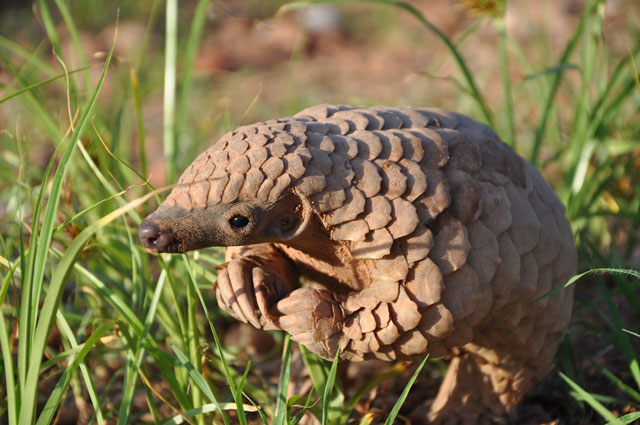
The project aims to develop eco-guardianship among local communities for the protection of two highly threatened pangolin species in Nepal—the Chinese Pangolin (Manis pentadactyla) and the Indian Pangolin (M. crassicaudata). Through conservation education, participatory mapping, awareness campaigns, and community engagement, the initiative seeks to reduce poaching, illegal trade, and habitat degradation, thereby contributing to Nepal’s Pangolin Conservation Action Plan (2018–2022) and international commitments under CITES.
Project Area
The project will be implemented in Community Forest User Groups (CFUGs) of Saptari and Udaypur districts, located in eastern Nepal. These areas host pangolin populations but face increasing threats due to habitat loss, poaching, and weak local awareness.
Key Impacts
- Awareness and conservation education will reach 10,000 people from 20 CFUGs, including farmers, students, Buffer Zone User Groups, and forest officials.
- Eco-guardianship capacity will be strengthened through school eco-clubs, training, quizzes, debates, and interactive community events.
- Participatory mapping will identify pangolin distribution, threats, and indigenous knowledge, enhancing local monitoring and reporting mechanisms.
- Strengthened collaboration among CFUGs, BZUGs, schools, and local authorities will foster collective responsibility for pangolin conservation.
- Awareness materials (posters, leaflets, flex prints, and videos) will create lasting reference tools for conservation action.
- The project will provide a foundation for scaling up pangolin conservation in wider geographical areas in Nepal.
By mobilizing community stewardship and integrating conservation education, this initiative strengthens both local ownership and national/global efforts to protect pangolins from extinction.