
Strengthening the Capacity of Buffer Zone User Groups in Koshi Tappu Wildlife Reserve
Project Title
Strengthening the Capacity of Buffer Zone User Groups in Koshi Tappu Wildlife Reserve
Funding Organization
Koshi Tappu Wildlife Reserve (KTWR)
Project Period
[Insert planned period, e.g., January – December 2025]
Funding Amount
NPR 7,550,000
Project Objective
The project aims to strengthen the organizational capacity of Buffer Zone User Groups (BZUGs) through structured training and institutional development. It will build their skills in governance, financial management, participatory decision-making, and climate-resilient livelihood promotion to enable effective conservation and sustainable use of buffer zone resources.
Project Location
Koshi Tappu Wildlife Reserve (KTWR), Sunsari, Saptari, and Udayapur districts, Nepal.
Project Description
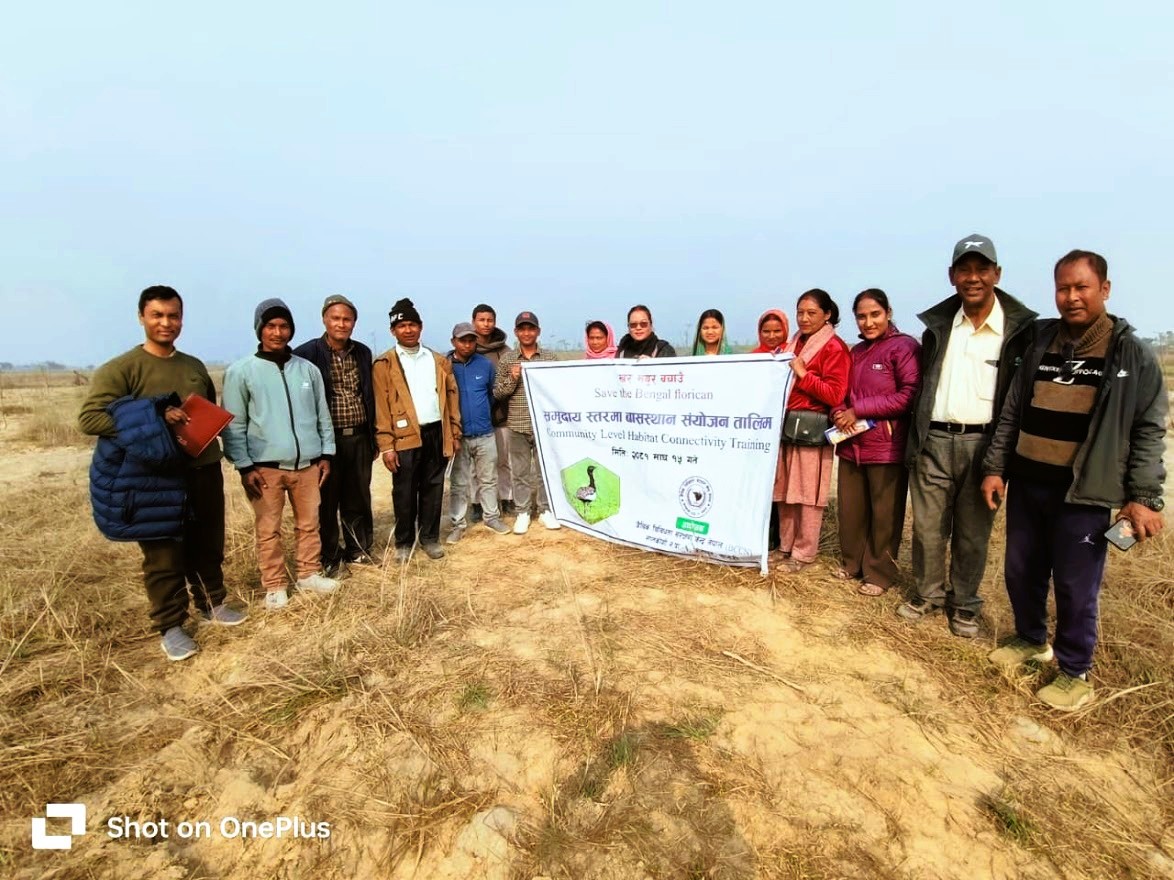
The Koshi Tappu Wildlife Reserve, Nepal’s first Ramsar site, is a critical wetland ecosystem that supports rich biodiversity, including globally threatened species such as the Bengal Florican. At the same time, it sustains the livelihoods of thousands of households who depend on its land and water resources. However, challenges such as over-extraction of resources, habitat degradation, climate risks, and human–wildlife conflict threaten both biodiversity and community well-being.
This project focuses on empowering BZUGs—legally recognized grassroots institutions—so they can play an active role in conservation and local development. The project will deliver training programs on institutional governance, financial accountability, and participatory planning, alongside technical capacity-building in eco-friendly agriculture, fisheries, and nature-based enterprises. It will also promote biodiversity-friendly infrastructure, establish dialogue platforms with government and local stakeholders, and strengthen mechanisms for equitable benefit sharing and conflict resolution.
Impact
The project is expected to:
- Improve governance and self-reliance of BZUGs.
- Reduce human–wildlife conflict through stronger community-led mechanisms.
- Enhance climate-resilient livelihoods, improving household income and food security.
- Foster stronger partnerships between communities, KTWR authorities, and local governments.
- Contribute to long-term conservation of KTWR’s unique wetland ecosystem while ensuring sustainable socio-economic development for buffer zone communities.