
Bengal florican Survey
Background
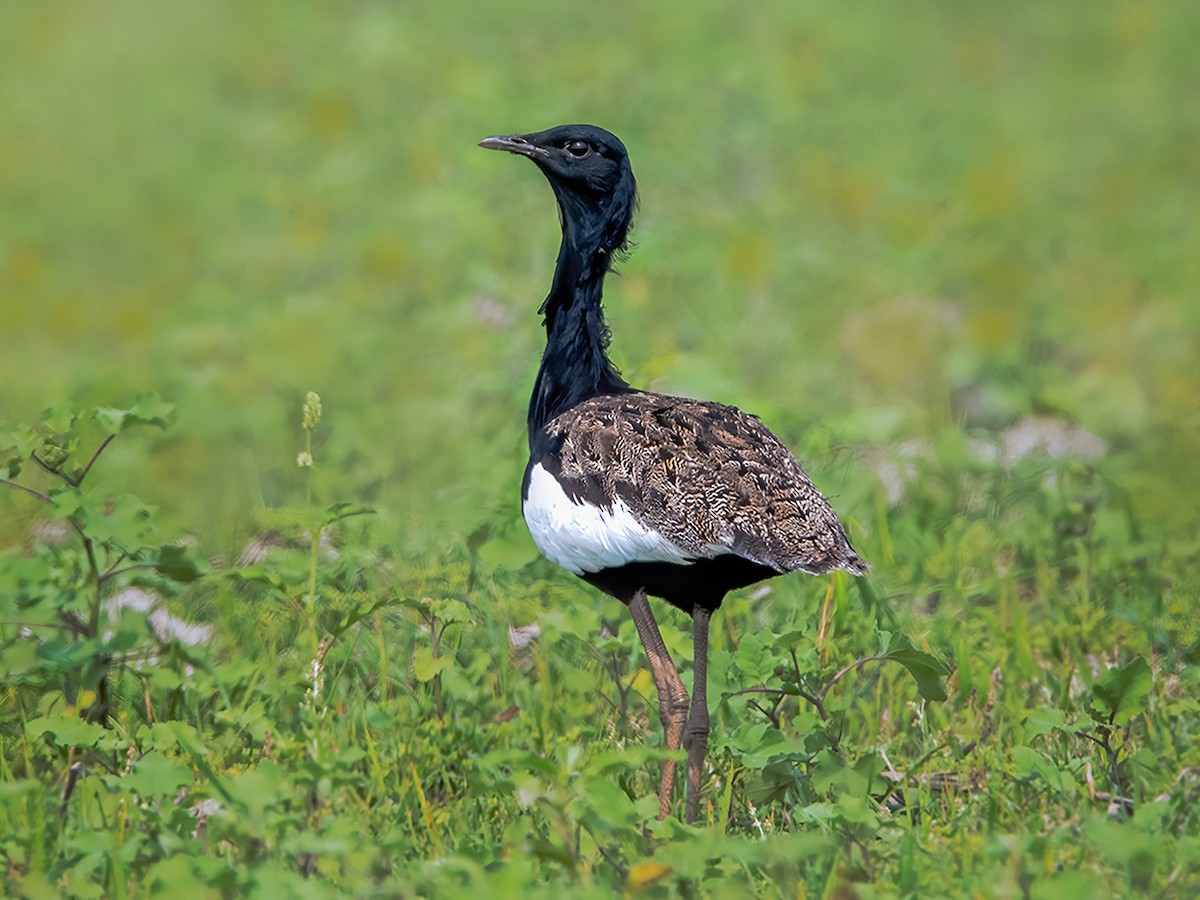
The Bengal florican (Houbaropsis bengalensis) is listed as Critically Endangered due to severe habitat loss and degradation of its native alluvial grasslands. Across its range, the population has witnessed a drastic decline, making it one of the most threatened bustard species in the world. In Nepal, this rare bird is primarily confined to the few remaining grassland patches of the eastern and central Terai. Among them, the Koshi Tappu Wildlife Reserve serves as a critical stronghold for its survival.
Project Objective
The conservation initiative was designed to restore and safeguard the grassland ecology of Koshi Tappu Wildlife Reserve to ensure a sustainable future for the Bengal florican. Specific objectives included:
- Enhancing the quality and extent of grassland habitats.
- Reducing human-wildlife conflict through community engagement.
- Building awareness among local stakeholders about the ecological and conservation importance of the Bengal florican.
Through these measures, the project aimed to establish a secure and favorable ecosystem that supports a viable and healthy population of this critically endangered species.
Project Area
The intervention was carried out within Koshi Tappu Wildlife Reserve (175 sq. km), located in Nepal’s eastern Terai. The reserve is a mosaic of grasslands, wetlands, and riverine ecosystems, making it an ideal breeding and feeding ground for the Bengal florican. Conservation activities were concentrated within the grassland zones of the reserve to maximize ecological benefits and achieve measurable results.
Funding and Support
The project was supported by the Mohamed bin Zayed Species Conservation Foundation. With the support of US$ 7000. The implementation period was from May 1, 2022, to October 31, 2023. This financial support enabled critical habitat restoration activities, awareness campaigns, and collaborative conservation actions with local communities and stakeholders.
Significance
By directly addressing habitat degradation and promoting local stewardship, the project contributed to strengthening in-situ conservation of the Bengal florican in one of its last remaining refuges in Nepal. The outcomes serve as a model for integrated grassland conservation and species recovery in South Asia.